Ports Recruitment & Executive Search Specialists
Sigma Search delivers ports recruitment and executive search for container terminals, stevedores, port authorities and bulk terminal operators across Australia. Every search is principal-led by Jon-Paul Hilton, from GM Terminal Operations and GM Automation through to COO and CHRO appointments, with the discretion a small, well-connected industry demands.
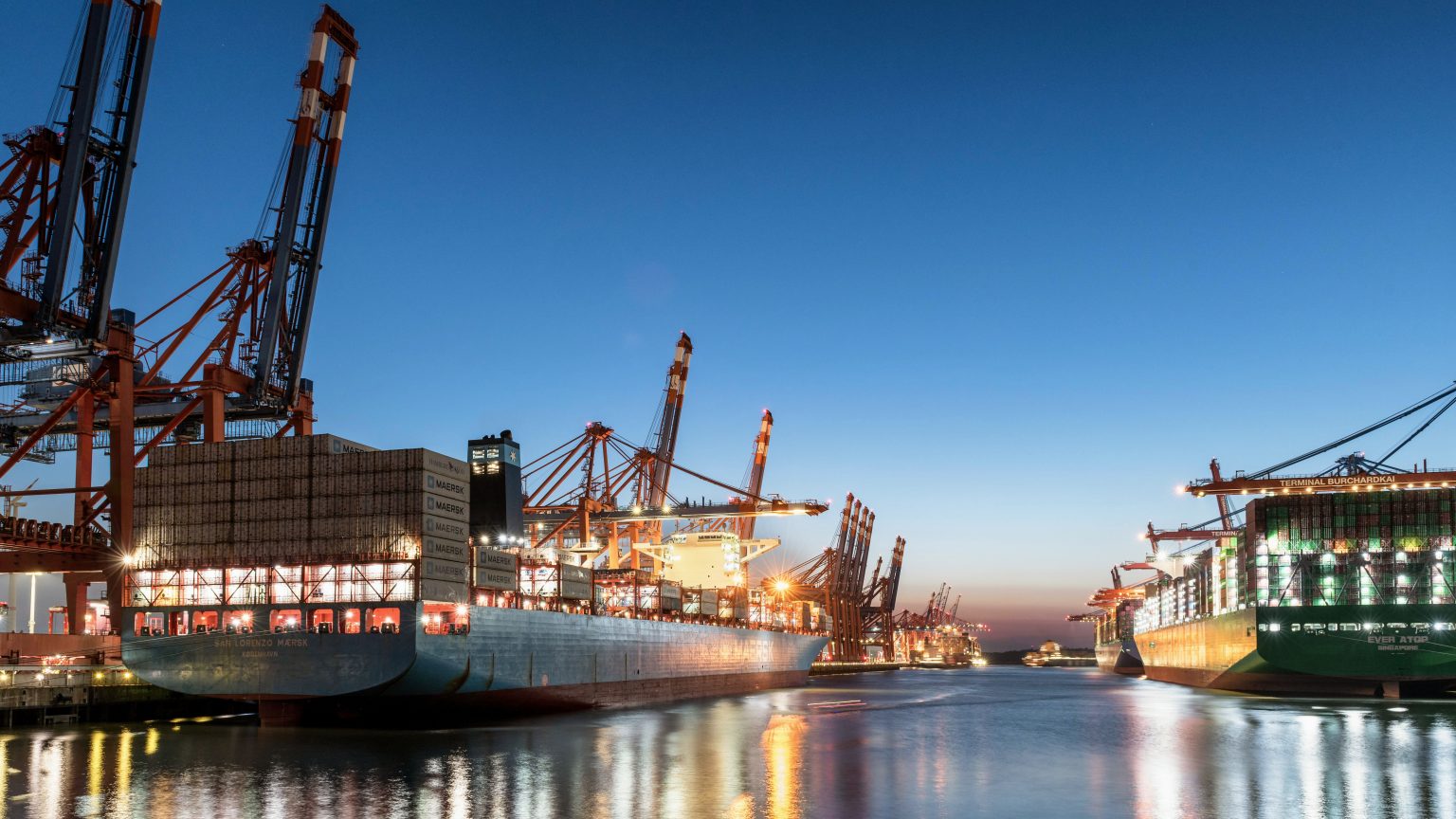

Ports recruitment for safety-critical, 24/7 operations
Ports are unlike any other part of the supply chain. You're running a 24/7, safety-critical operation with heavy plant, a highly unionised workforce and customers who measure you on crane moves per hour, vessel turnaround and truck turnaround times. Add terminal automation, enterprise agreement negotiations and landside road and rail congestion, and it becomes clear why ports recruitment needs a different approach to general logistics hiring.
Sigma Search has led searches right across the port leadership team, from operations and automation through to the people, industrial relations and safety functions that keep a terminal running. Because we know the sector, our conversations with candidates carry immediate credibility - we understand berth productivity, quay and yard crane utilisation, enterprise agreements and protected industrial action, and we know which leaders have delivered through them.
The port leadership market in Australia is small and well connected, so every approach is handled confidentially and personally by Jon-Paul. For transport, 3PL and DC leadership, see our Logistics Recruitment page.
of our placements above $200K are retained engagements, delivered across Sydney, Melbourne and Brisbane.
In ports, one hire in operations, ER/IR or safety can shape your enterprise agreement, your safety record and your relationship with the workforce for years. These searches need far more than a database and a job ad.
Our wharf-to-landside approach
Here’s what makes port leadership different. The job doesn’t stop at the quay line. A great terminal leader has to manage everything from the vessel window, through the yard and the gate, to the trucks and trains heading inland. Miss one link and the whole chain backs up...
So when I take a ports recruitment brief, my first question is always where the role sits on that chain, and which interfaces it really owns. It’s the kind of executive search Logistics and maritime leaders take seriously, because it starts with someone who understands the whole journey of a box.
Sea freight and the vessel window
Shipping lines judge a terminal on how quickly it turns their ships. We look for leaders who can show improved berth productivity and crane moves per hour, and explain exactly how they got there.
For example, re-sequencing the yard, changing shift patterns or rebuilding the vessel planning process. You should be left in no doubt as to what they changed and what it delivered.
Stevedoring and industrial relations
Ports run on enterprise agreements, so IR isn’t just the CHRO’s job. Every terminal and stevedoring leader is part of the bargaining story, from how rosters are built to how change is consulted on.
Be sure to ask operations candidates what role they played in the last agreement, not just whether they got through it. Bear in mind that the best IR outcomes rarely make the news.
Terminal technology and TOS cutovers
Automated stacking cranes, straddle carriers and a new terminal operating system (TOS) change the job completely. A TOS cutover can be one of the riskiest weeks in a terminal’s life.
We look for leaders who have planned one end to end, with fallback procedures, customer communication and a clear plan to get productivity back to baseline.
TEU throughput and landside efficiency
Twenty-foot equivalent unit (TEU) throughput is the headline number, but the landside is where many terminals win or lose.
We test for truck turnaround times, vehicle booking system performance and rail share. A terminal that moves more boxes by rail takes pressure off the gate and the road network.
A port leader’s real test is the interface, not the silo. Ask every candidate to walk you through a time the quay, the yard and the gate all came under pressure at once.
Port & terminal leaders we place
Our networks span container terminals, stevedores, port authorities and bulk, break-bulk and automotive terminals.
Port Authority & Terminal Executives
CEOs, COOs and General Managers of port corporations and terminal businesses, accountable for P&L, customer contracts, capital programmes and board and government stakeholders. Port authority roles add master planning, channel and berth infrastructure and long-term land use.
Terminal Operations Managers
Run 24/7 quayside, yard and gate operations. Measured on crane moves per hour, vessel turnaround and truck turnaround, with safety at the core of every shift.
Automation, Engineering & Asset Leaders
GM Automation, Engineering and Maintenance leaders delivering automated equipment, terminal operating systems (TOS) and asset reliability programmes.
Workforce Planning & Rostering
Heads of and managers who build rosters, labour models and allocation systems that match the workforce to vessel schedules within enterprise agreement and award rules.
People, ER & IR Leaders
CHROs and National ER/IR Managers leading enterprise agreement negotiations, union relationships and workforce change, including automation transitions.
Health, Safety & Environment
National HSE Managers driving critical risk controls, safety culture and regulatory compliance across high-risk port operations.
Stevedoring General Managers
Lead stevedoring operations across container, bulk, break-bulk or automotive cargo. As much about labour productivity and the enterprise agreement as it is about cargo, with customer contracts that can turn on a few moves per hour.
Wharf Transport Managers
Run the container cartage fleets moving boxes between the wharf, empty container parks and customer DCs. Truck turnaround, slot booking performance and Chain of Responsibility compliance sit at the heart of the role.
National Customs & Freight Forwarding Directors
Lead national customs brokerage and forwarding operations, balancing compliance with the Australian Border Force against margin, service and carrier relationships.
Maritime recruitment Australia-wide: the gateways we cover
Each of Australia’s major container ports has its own mix of operators, landside challenges and IR history. In my experience, a leader who has thrived at one doesn’t automatically transfer to another. So we map the leadership team at each gateway, and know who has worked across more than one.
The major container ports
Port Botany (Sydney). Sydney’s container gateway, closely tied to landside congestion and the push to move more boxes by rail.
Port of Melbourne. Australia’s largest container port, with a complex mix of terminals and a long-running focus on rail access.
Port of Brisbane. Queensland’s main container gateway, serving South-East Queensland’s growing industrial corridors.
Port Adelaide. South Australia’s container port, centred on the Outer Harbor terminal and the state’s export-focused industries.
Intermodal terminals and regional networks
The port is only half the story. Containers move inland through intermodal terminals such as Moorebank and Enfield in Sydney and Acacia Ridge in Brisbane, then out to regional networks. Leaders who understand that full journey, from ship to rail to regional DC, really stand out.
Don’t be afraid to look beyond the terminal fence when you’re hiring. Wherever the role sits, you deal with me from the first brief to the final shortlist.
What makes ports recruitment different
Three things we get right on every port and terminal search.
Discretion in a small market
ER/IR and safety credibility
Leaders for automation and change
See examples of our work in our Search Showcase, or read why senior port hires are best handled through retained search.
Hiring a senior port or terminal leader?
Have a confidential conversation with Jon-Paul about your role, the ports talent market across Australia, and what it will take to secure the right person.